


L6e Electric Microcar
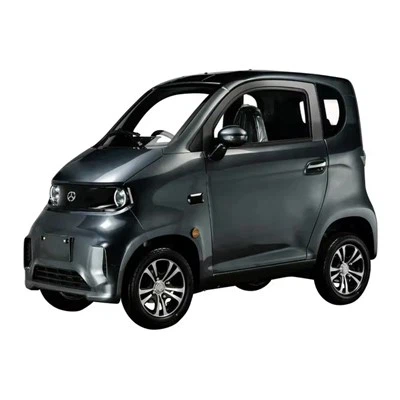
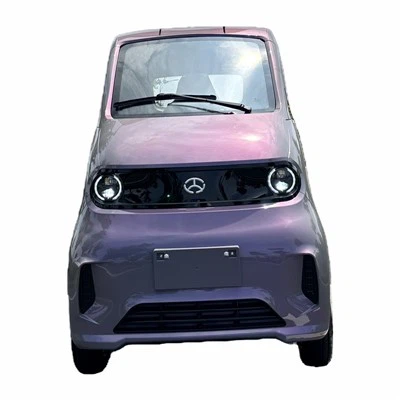
The L6e Electric Microcar is a compact low-speed electric vehicle with a 1–2-seat configuration and a maximum speed of 45 km/h. Its compact four-wheel structure suits urban mobility, community transport, commercial campuses and short-distance fleet applications.
| Specifications | ||
| Configuration | Item | AERA-SQ7 |
| Parameter | L*W*H(mm) | 2310*1100*1540MM |
| 2300*1000*1530MM | ||
| Wheel Base (mm) | 1540mm | |
| Max Speed(km/h) | 45 | |
| Max. Range (Km) | 80-130 | |
| Capacity (Person) | 1-2 | |
| Min Ground Clearance(mm) | 105 | |
| Curb Weigh (Kg) | 300kg | |
| Motor | 1500W/2000W/3000W | |
| Battery( Lead acid /LiFePo4 ) | 60V 58AH/100AH | |
| Charge | 220V | |
| Charging Time | 6-8 horas | |
| Braking System | Type | Hydraulic System |
| Front | Disc | |
| Rear | Disc | |
| Wheel System | tire front | 125/65-12 |
| tire rear | 125/65-12 | |
| wheel hub | Aluminum wheels | |
| Suspension System | Front | McPherson independent suspension |
| Rear | Integrated Rear Axle | |
| Function | 7-inch touchscreen | Bluetooth, audio,MP3 player,USB, 11 languages,rearview camera, CAN |
| interior | Electric windows,electric key,skylight, One-button start, heated air, floor mats |
|
| security features | Anti-rollback function, braking assistance | |
| Optional items | Air conditioning, swivel seats, custom logo,3-point seat belt | |
| MOQ 1*20GP(5PCS) 1*40HQ(1100MM 14PCS) 1*40HQ(1000MM 16PCS) | ||
Key Features
- McPherson independent front suspension separates wheel movement from the body structure, improving ride control on uneven urban roads.
- Hydraulic disc brakes on both axles provide mechanically actuated braking at the front and rear for predictable vehicle deceleration.
- 60 V lead-acid or LiFePO4 battery system supports different cost, cycle-life and operating-temperature requirements across target markets.
- Integrated rear axle with aluminum wheels combines the rear drivetrain and wheel assembly into a compact layout suitable for the vehicle's short wheelbase.
- Anti-rollback and braking-assistance functions support controlled starts and braking on inclined roads.


OEM & Customization
|
Customization Area |
Available Options |
|
Vehicle Configuration |
1–2-seat layouts depending on vehicle configuration; passenger or fleet-oriented configurations |
|
Motor |
1,500 W / 2,000 W / 3,000 W |
|
Battery |
Lead-acid or LiFePO4; 60 V system; capacity options including 58 Ah and 100 Ah |
|
Charging System |
220 V charging configuration; charging-system adaptation subject to target market requirements |
|
Exterior |
Body color, exterior trim and selected appearance components |
|
Interior |
Seat configuration, seat material, floor mats, electric windows, skylight and interior trim |
|
Seating |
Standard seats or optional swivel-seat configuration |
|
Safety Equipment |
Optional 3-point seat belts and other market-specific safety equipment |
|
Infotainment |
7-inch touchscreen, Bluetooth, MP3, USB, rear-view camera and language selection |
|
Branding |
Custom logo, badges, labels, graphics and selected brand-identification components |
|
Packaging |
Standard export packaging or project-specific packaging requirements |
|
Delivery Form |
CBU, SKD or CKD depending on project requirements |
Regional Configuration & Deployment Guide
A low-speed electric vehicle should be configured according to the operating environment rather than supplied with one universal specification. For distributor projects, the vehicle configuration can be evaluated against climate, road conditions, charging infrastructure and intended usage.
|
Operating Condition |
Recommended Configuration |
Procurement Consideration |
|
Cold-climate markets |
LiFePO4 battery with battery-heating option |
Helps address low-temperature operating conditions and battery performance requirements |
|
Rough or uneven roads |
Heavy-duty suspension |
Provides a more suitable chassis configuration for demanding road surfaces |
|
Hot-climate markets |
Air-conditioning option |
Improves suitability for enclosed-cabin operation in high-temperature environments |
|
Urban short-distance fleets |
Standard battery and suspension configuration |
Balances vehicle configuration with predictable low-speed fleet usage |
|
Rental or shared fleets |
Reinforced interior, selected safety options and fleet branding |
Supports standardized deployment and easier fleet identification |
|
Distributor private-label programs |
Custom logo, colors, trim and selected interior options |
Allows the vehicle to be aligned with the distributor's local brand strategy |
Configuration Review Before Production
For project-based orders, the recommended configuration should be confirmed against:
- Destination country and applicable vehicle regulations
- Expected road and climate conditions
- Daily operating distance
- Charging voltage and infrastructure
- Battery chemistry requirements
- Passenger or fleet operating model
- Local branding and after-sales requirements
Manufacturing & Quality Control
The vehicle is manufactured through an integrated production process covering major body and assembly operations:
Sheet Metal Stamping - Automated stamping forms body panels and structural components to defined dimensions.
Tube Bending - CNC/automated pipe bending is used for tubular structural and supporting components.
Body Welding - Automated welding equipment joins stamped and formed components before surface treatment.
Electrophoretic Coating - E-coating provides corrosion protection to treated metal components before subsequent finishing.
Plastic Injection Molding - Large-scale injection molding equipment produces selected interior and exterior plastic components.
Surface Painting - Paint-booth and drying-kiln processes control coating application and curing.
Vehicle Assembly - The chassis, suspension, braking system, drivetrain, battery, electrical system, interior and body components are assembled on the production line.
Functional Inspection - Finished vehicles are checked for braking operation, electrical functions, charging performance, lighting, controls, display functions and other specified vehicle systems.
Final Quality Inspection - Key dimensional, electrical, mechanical and appearance items are verified before shipment.
Certifications & Compliance
EEC / EU Type Approval - Applicable to vehicle variants developed and approved for the relevant European L-category requirements. EU Regulation 168/2013 establishes the type-approval framework for L-category vehicles, including L6e light quadricycles.
COC (Certificate of Conformity) - Manufacturer-issued conformity document for vehicles covered by the applicable EU type-approval process.
WMI (World Manufacturer Identifier) - Identifies the vehicle manufacturer within the VIN system.
ISO 9001:2015 - Quality-management-system standard applicable at the manufacturing organization level, subject to the company's certified scope.
WVTA (Whole Vehicle Type Approval) - A whole-vehicle approval route under the applicable EU regulatory framework where the vehicle type meets the relevant technical and administrative requirements.
CE - CE marking should be applied only where the vehicle or relevant component falls within applicable EU CE legislation.
CCC - China Compulsory Certification may apply to specific products or configurations placed on the Chinese market.
FAQ
Hot Tags: l6e electric microcar, China l6e electric microcar manufacturers, suppliers, factory, Eco friendly urban commuter car, City Quadricycle Electric Micro Car, EEC Electric Cabin Scooter for Disability, Lithium Battery Powered Small Electric Car, L6e Category Enclosed Electric Scooter, three seater Enclosed Electric Cabin car
You Might Also Like


Send Inquiry