


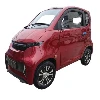
If you spend much time looking for practical electric mobility for European city streets, you know how tricky it is to find a compact quadricycle built with real passenger-car standards. Many light electric vehicles on the market are put together with simple frames and basic safety gear, fine for short trips, but not always built to inspire confidence for daily commuting, family runs or local business use. That is exactly the gap we set out to fill with our brand-new 3-door 4-seat electric microcar.
This upcoming model is engineered to support two popular EU light vehicle categories: L6e and L7e. For anyone shopping for an L6e electric quadricycle or an L7e electric microcar, this platform gives you the flexibility to match local road rules and speed limits in different European countries. It is a 3 door layout with two front seats, so the driver and front passenger get dedicated space, while the rear bench can carry extra passengers when you need it. It is not overstretched or awkwardly cramped; we tuned the cabin layout around real world use, not just a sheet of specification numbers.
Where this electric microcar stands apart from most low-speed mini EVs is its build philosophy. Instead of relying on lightweight, simplified construction common for budget quadricycles, this vehicle uses a stamped frame. A stamped steel frame brings much better structural rigidity, which matters a lot when you talk about occupant protection. Every part of the body structure is formed and shaped on production lines originally built for high-speed passenger cars, not small mobility equipment. We also rely on semi-robotic assembly, a choice that cuts down human error and keeps panel gaps, fit and finish consistent across every unit. That level of repeatability is hard to find among many suppliers of EEC electric mini cars.
Safety was baked into the design from day one, not added as an afterthought. This new electric quadricycle comes fitted with an airbag, ABS anti-lock braking, turning assistance and brake assistance. These features are standard for regular passenger cars, yet they remain optional or missing on plenty of compact electric vehicles sold across Europe. For dealers and end users alike, that safety package removes a lot of worry. When you are moving through busy town centres, roundabouts and narrow residential streets, stable braking and steering support make a real difference.
We know buyers and distributors in the EU care deeply about homologation and compliance. This new platform is developed for full EEC certification, aligned with the requirements for L-category vehicles sold in European markets. We are working through the certification process carefully, because we have seen too many importers run into delays or compliance headaches when documentation and testing are rushed. Our team works closely with testing partners to make sure the vehicle meets the regulatory standards that distributors need to register and sell legally in their home markets.
This electric microcar is built for urban mobility. It suits daily commuters who want to skip expensive petrol and crowded public transport. It also works for resort fleets, campus transport, small local delivery teams, and families who want a second vehicle for short local trips. Many of our dealer partners focus on selling EEC approved electric vehicles for city use, and this model fits neatly into that space. It is compact enough to squeeze into tight parking spots, but it still carries four people, which makes it far more versatile than 2 seat electric quadricycles.
We get a lot of messages from dealers asking about full specs and pricing right away. At this stage, we are still advancing the prototype phase and formal certification work. We are not releasing the full technical datasheet or final pricing yet, and we prefer to share those details only when everything is locked in and verified. That approach helps us avoid confusion, wrong expectations and last minute changes once customers start ordering stock. If you are a distributor, reseller or fleet operator looking for a reliable L6e L7e electric vehicle supplier, you can send us an inquiry to join our update list. We will reach out to you when the full specification pack and commercial pricing become available.
For our B2B partners, the biggest advantage here is the platform flexibility. You can choose the L6e variant for regions with lower speed limits, or the L7e version for markets that allow higher performance for light quadricycles. Having one shared base platform for both homologation paths simplifies after-sales support, spare parts stocking and staff training for your sales and workshop teams. That is a major plus compared to managing two completely separate microcar models from different factories.
We also built this vehicle with long-term serviceability in mind. When we design a new EEC electric quadricycle, we think about what happens after the sale. Simple access points for service checks, standardised component choices and clear diagnostic paths help your workshop team carry out maintenance quickly. We have learned from years of supporting European dealers that poor service access kills customer satisfaction, even if the vehicle drives well at first.
If you are browsing the market for a new electric mini car for your dealership, comparing L6e and L7e options, or looking for a factory that builds quadricycles on automotive-grade production lines, this new model is worth keeping on your radar. It is not just another generic small electric vehicle. It brings stamped frame construction, semi-automated assembly, a complete safety suite including airbag and ABS, and dual homologation options for the EU market.
Drop us a message if you want to receive updates on prototype progress, certification milestones and the release of full specifications. We speak directly with resellers and fleet buyers, and we are happy to walk you through what this platform can bring to your local mobility market.


